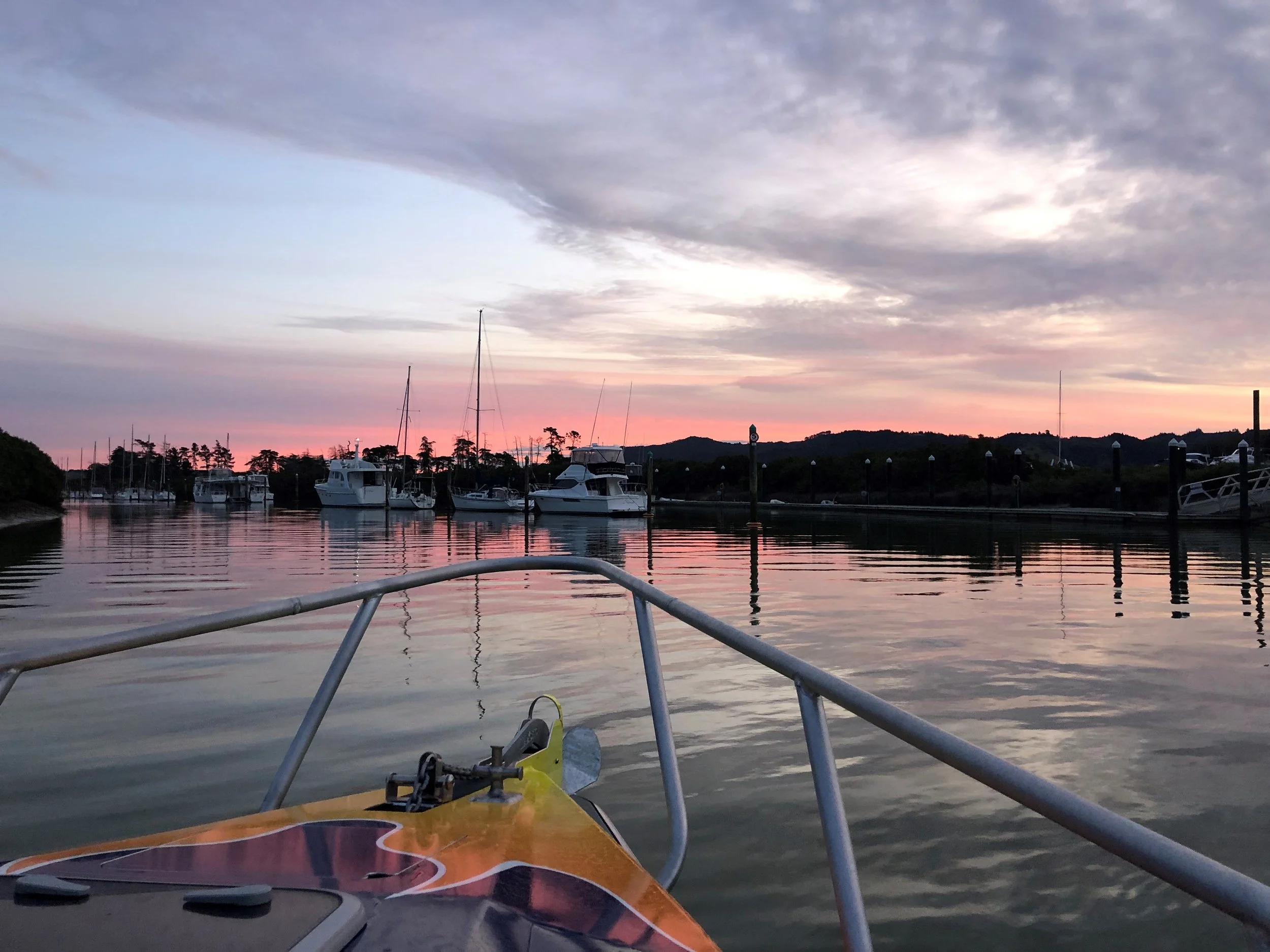
Anchoring 101: How to Set Your Anchor Properly (So You Don’t Drag)

Anchoring is one of the biggest confidence builders for new boaties. Do it well and lunch stops become easy. Do it poorly and you’ll spend the whole break watching the shoreline get closer. Here’s a simple routine you can repeat in the Hauraki Gulf.

Start by choosing the right place. Look for shelter from the wind, enough depth at low tide, and plenty of room to swing without drifting into other boats, rocks, or the shallows. If you can, anchor over sand or mud rather than weed—anchors generally hold better.

Next, get your “scope” right (the amount of rope you let out). As a beginner rule, use at least 3:1 scope in calm conditions and 5:1 or more if it’s breezy. That means if you’re in 5 metres of water (plus a bit for bow height), you’ll want roughly 15–25 meters of rope out. More rope usually gives better holding because it keeps the pull on the anchor more horizontal.

When you drop, do it slowly and with control. Lower the anchor until it hits bottom, then ease the boat back while feeding rope. Once you’ve got your scope out, secure the line and gently reverse to “set” the anchor—think firm and steady, not a full-power yank.

Finally, check that you’re holding. Line up two landmarks to see if you’re moving, or watch your position on a chart app. If you are dragging, reset early—don’t hope it fixes itself.

If you’re building confidence for Hauraki Gulf day trips, Brookland Boat Club can help you get comfortable with the basics. Get in touch via our contact page.
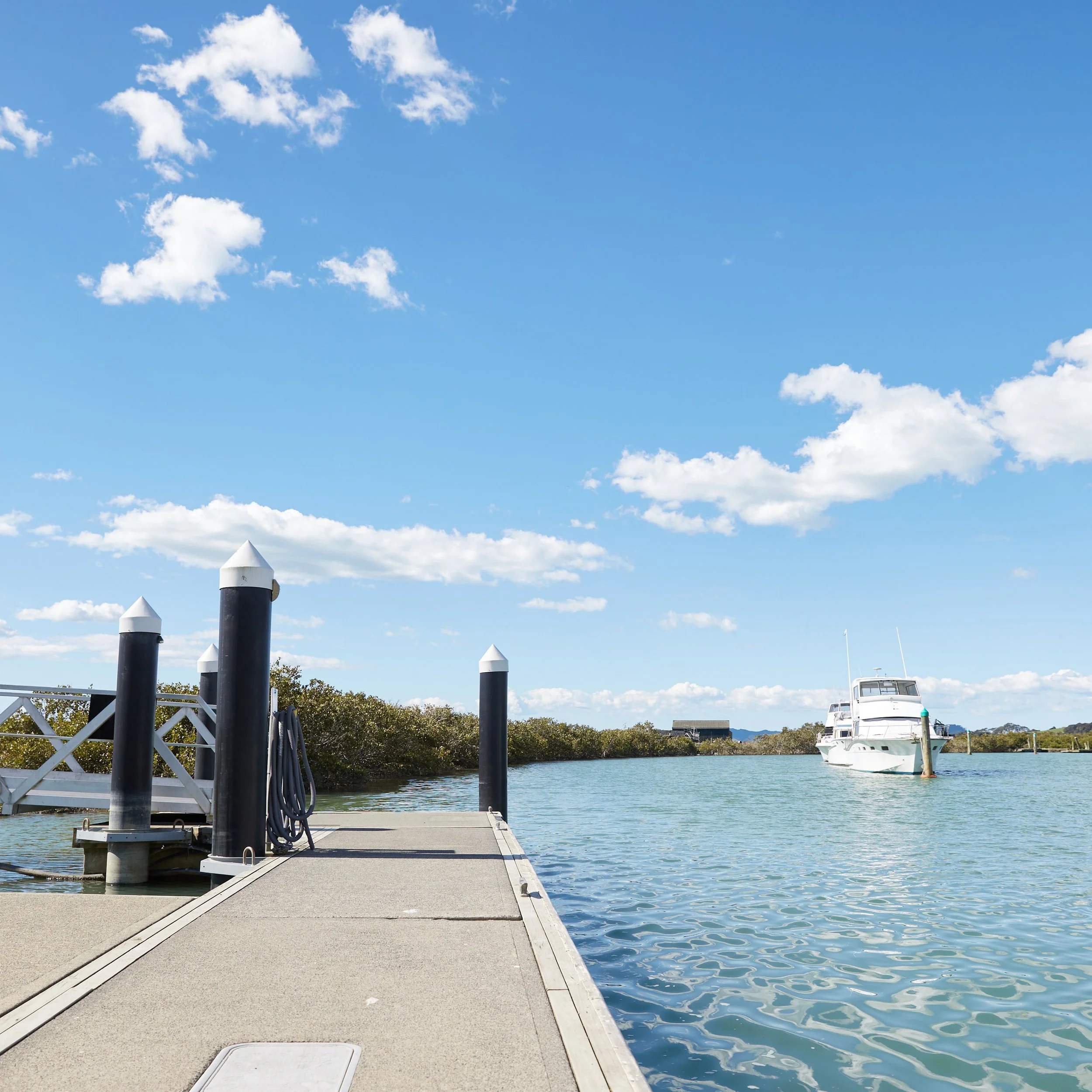
Reading the Weather for the Hauraki Gulf: A Beginner-Friendly Guide

The Hauraki Gulf can be magic… and it can get uncomfortable fast. For new boaties, the goal isn’t to become a forecaster overnight—it’s to build a simple weather routine that keeps your crew safe and happy.

Start by checking a marine forecast (for example Metservice and SwellMap). Look at wind speed, wind direction, and any warnings. Wind direction is a big deal because it changes which areas are sheltered and which become choppy. A “moderate” wind can still feel rough if you’re exposed.

Next, think about what your boat and crew can comfortably handle. A practical beginner rule is: if you’re not sure you’ll enjoy it, don’t go far. Set your own go/no-go threshold (for example, “light winds only” while you’re learning) and be consistent. It’s easier to expand your comfort zone later than to recover from a bad first trip.

Then, add a simple plan. Pick a Plan A destination and a Plan B that’s more sheltered, plus a hard turnaround time so you’re not caught out late. Tell someone your plan and when you expect to be back.

On the day, check conditions again before launching, and keep watching while you’re out. If the wind builds earlier than predicted, shorten the trip and head for shelter. There’s no shame in calling it—good skippers make good decisions, not heroic ones.

With Brookland Boat Club’s access to the Gulf, choosing the right weather window is the fastest way to build confidence. Want help planning beginner-friendly outings? Get in touch via our contact page.